
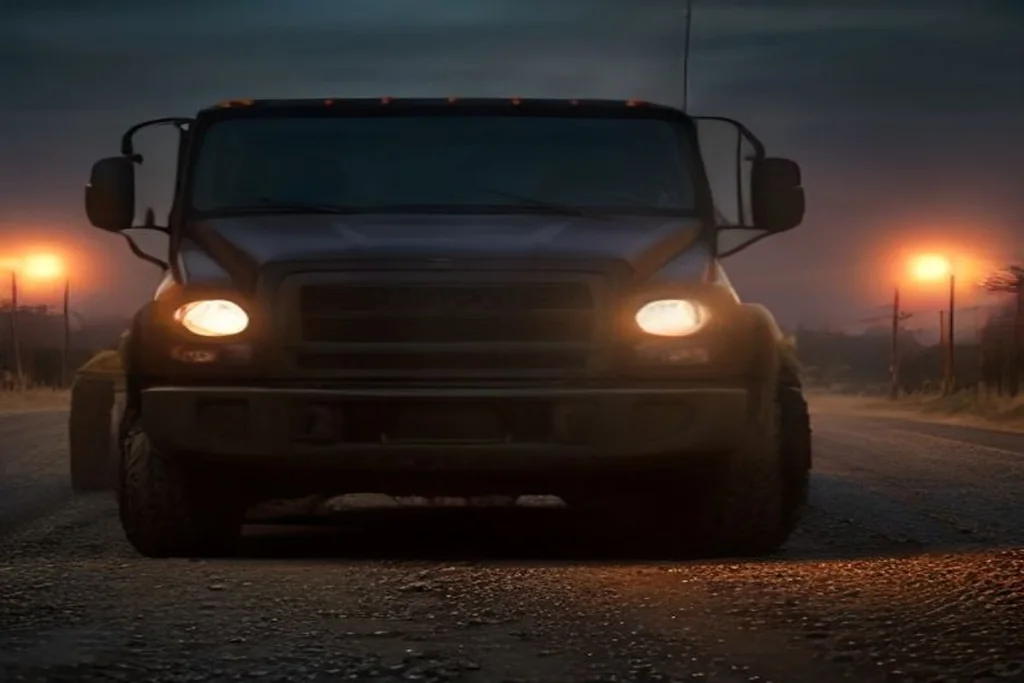
If you own a diesel truck, you know how important it is to keep its battery in top condition. A diesel needs far more from its batteries than a petrol car does: higher compression means a harder crank, glow plugs and grid heaters draw serious current before the engine even turns, and modern trucks add parasitic loads from telematics, alarms and memory-hungry control modules. A truck that sits for two weeks can come back dead, and the fix is cheaper than any tow: a battery tender.
Why diesel batteries die differently
Most diesel trucks run two or more batteries in parallel to deliver the cold-cranking amperage the starter demands. Parallel banks also fail together: when one battery goes weak, it drags the bank, and the charging system works overtime trying to save it. The chemistry makes sitting harmful. A lead-acid battery left partially discharged grows lead sulphate crystals on its plates, a process called sulphation, and those crystals harden over weeks until the battery no longer accepts a full charge.
The killer detail is the slow leak of modern trucks. Even with the key out, modules, radios and trackers sip current continuously. Over a fortnight that parasitic draw can pull a healthy battery down into the sulphation zone. A vehicle driven daily never notices; a work truck that sits over a slow season dies quietly in the yard.
What a tender is and is not
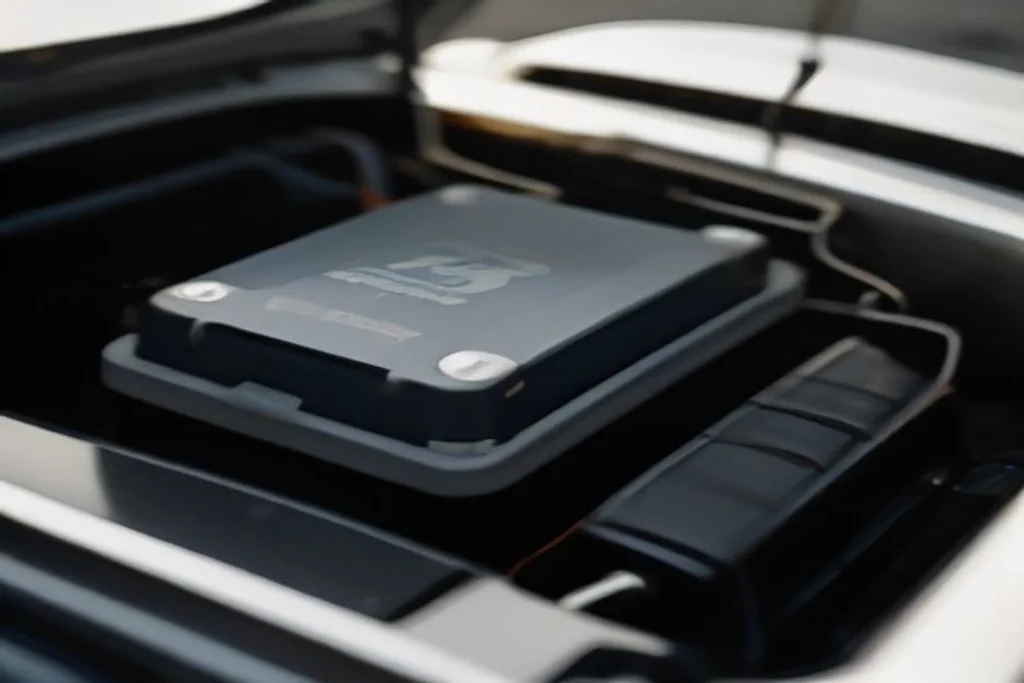
A battery tender is a low-amperage smart maintainer. It holds the battery at full charge with a small float current, monitors voltage, and cycles into a desulphation or equalisation stage when it detects a battery that has begun to sit. It is not a jump starter and not a fast charger: a tender will not revive a stone-dead battery in minutes, and it should not be confused with the high-amperage engine-starters sold for emergencies.
The smart part matters. Old trickle chargers pushed a fixed current forever and cooked batteries left on them for months. Modern maintainers switch to float once full, which is what makes them safe for continuous connection through a winter or a long contract break.
Choosing the right tender for a diesel bank
Sizing starts with the bank. A dual-battery diesel setup has roughly twice the capacity of a car battery, so the maintenance current should be adequate for the combined amp-hour rating without being so large that it overheats a healthy bank. The common sweet spot for trucks is a maintainer in the low single-digit amps class rather than the sub-one-amp class sold for motorcycles.
- Amperage: match the bank; multi-battery diesel setups need more than a motorcycle trickle.
- Chemistry modes: selectable profiles for flooded, AGM and, where fitted, lithium; gel and AGM need different float voltages.
- Cold-weather behaviour: temperature compensation protects a truck stored in an unheated shed.
- Cable and clamp quality: heavy-gauge leads and corrosion-resistant clamps survive a year-round connection.
- Mounting and safety: spark-resistant design and a wall-mount option keep the unit off the floor and away from the battery vents.
The maintenance routine that doubles battery life
A tender is one tool in a routine, not a substitute for inspection. Once a season, check terminals for the white and green corrosion that diesel vibration and heat encourage, clean and re-torque the clamps, and inspect cases for swelling. Verify resting voltage after the truck has sat untouched overnight; a cell that will not hold charge under load is failing regardless of what the maintainer shows.
For trucks used seasonally, the pattern is simple: connect the tender whenever the vehicle will sit more than about two weeks, keep it connected through storage, and give the batteries a load test each spring. Fleets that adopted exactly this routine report materially longer battery service life, because the batteries never spend time in the partially discharged state where sulphation begins. Where a battery warranty applies, keeping records of maintenance supports any claim, and you should check the current terms of both the warranty and any replacement.
What a tender costs versus what it saves
The arithmetic favours the device heavily. A quality maintainer costs a small fraction of one heavy-duty battery, and a diesel bank means buying two or more at once. Add the price of a jump service or a tow from a yard on the morning a contract starts, and a tender pays for itself the first time it prevents a no-start. The deeper saving is lifespan: batteries kept at full charge routinely outlast identical ones that cycle down during idle periods.
| Scenario | Without a tender | With a tender |
|---|---|---|
| Two-week sit | Parasitic draw pulls bank down, sulphation starts | Float holds full charge, no crystal growth |
| Seasonal storage | Spring no-start, possible dead batteries | Ready first crank, batteries load-tested fresh |
| Dual-battery bank | Weak cell drags the pair, alternator overworks | Whole bank maintained evenly |
| Long-term cost | Early replacement of an expensive bank | Full service life, one small device per bay |
Fitting into the wider gear habit
The tender belongs to the same buy-once-think-clearly category as the rest of the equipment guides in this magazine, from choosing a carry-on backpack that survives a decade to keeping a work laptop cool on the road. The Accessories section collects the everyday-carry and vehicle-maintenance guides that share this philosophy.
Bottom line
A diesel truck that sits is a battery bank quietly destroying itself, and a smart tender is the cheapest insurance available. Size it for the bank, pick the right chemistry profile, connect it for any layoff longer than two weeks, and pair it with a seasonal terminal and load-test routine. The batteries will outlast the habit of forgetting them.