
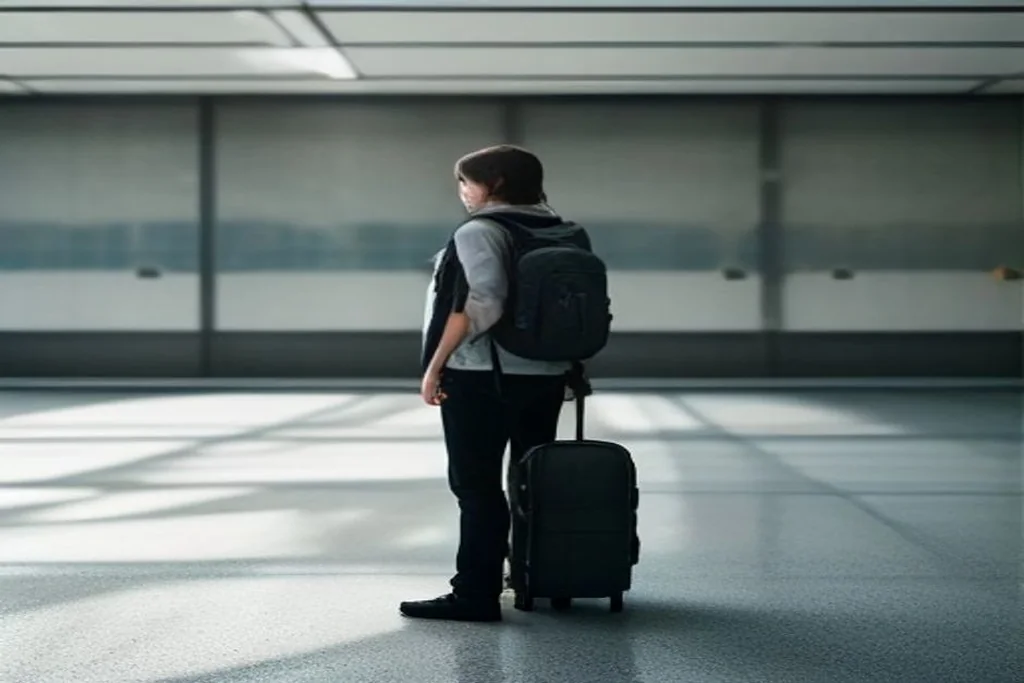
The carry-on travel backpack has quietly replaced the wheeled case for a large share of travellers, and the reason is arithmetic: a soft pack squeezes into airline sizing cages that a hard shell fails, and it survives stairs, cobblestones and overhead bins that defeat wheels. The category is crowded and the marketing is loud, so this guide cuts it to the constraints that matter, the features that earn their weight, and a packing layout that fits a week into thirty-five litres.
Start with the airline box, not the litre number
Every airline publishes a cabin-bag limit as three dimensions, and the sums cluster around the low fifties in centimetres per side for full-size carry-ons, with tighter boxes for the under-seat personal item on budget carriers. A forty-litre pack usually fits the full-size cage; a twenty-to-twenty-five-litre daypack fits the personal-item box. The number on the tag is secondary to the shape: a boxy pack measures worse than a rounded one of the same volume.
Check the specific airline before flying, because budget carriers enforce hardest and the rules are exactly the kind of terms that change seasonally. The bag that fits one carrier’s cage may be gate-checked on another’s, and a gate check on a tight connection is the trip-ruining scenario the whole carry-on strategy exists to avoid.
The clamshell decision
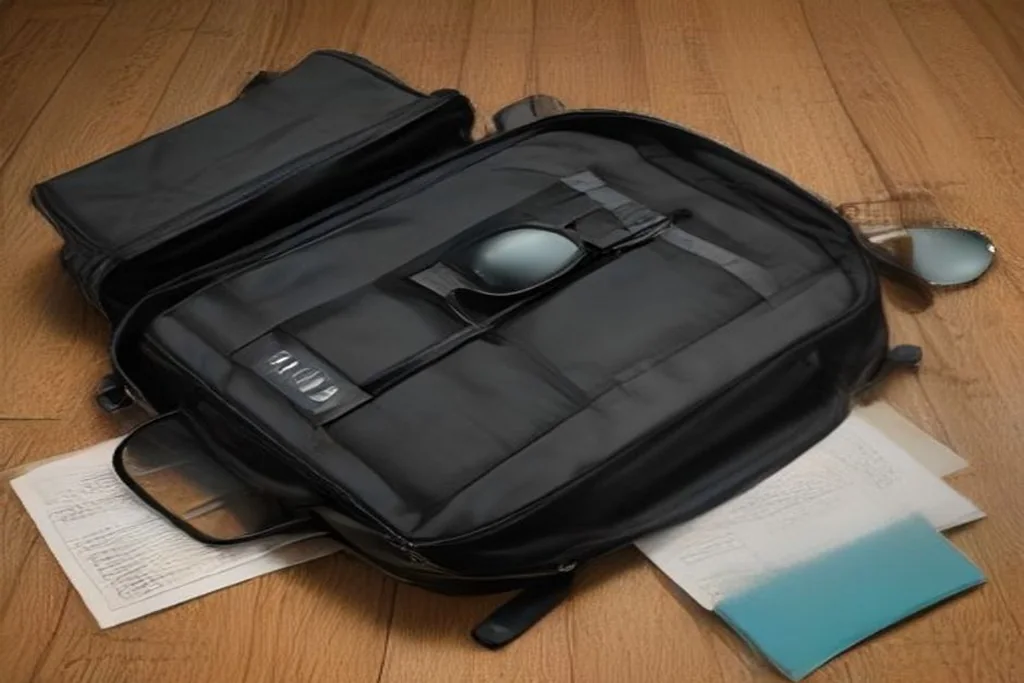
Backpacks open two ways. Panel loaders open at the top like a sack, and everything at the bottom is archaeology. Clamshells open flat like a suitcase, around three sides, and the whole contents are visible at once. For one-bag travel the clamshell is close to mandatory: it packs faster, unpacks without emptying the bag, and survives a security search that asks for the laptop from the bottom of the main compartment.
The related feature is the laptop compartment. A false-bottom sleeve, suspended so the bag can be dropped without the machine meeting the floor, positioned against the back for weight balance, and accessible without opening the main bag at security, is the difference between a travel pack and a school bag.
Harness and frame: where comfort lives
A pack feels light on a shop hook and heavy after a kilometre. Weight transfers through the harness, and the quality markers are a padded backpanel with real airflow channels, contoured shoulder straps that wrap rather than dig, a load-lifter strap at the top of each shoulder, and a hip belt that actually carries weight rather than decorating it. On packs above thirty litres the hip belt should be substantial and ideally removable.
Torso fit separates the good from the adjustable. Some packs come in torso lengths; others adjust the harness ride height. If you are shorter or taller than average, an adjustable or sized harness is worth more than any pocket layout, because a pack that hangs off your centre of gravity turns every walk into a shoulder ache.
Fabric, zips and the durability truth
Marketing names for fabrics are noise; the substance is fibre and coating. Nylon-based face fabrics with a decent denier and a water-resistant coating shrug off the abuse of bins and baggage halls, and high-tenacity versions used on the bottom panel are worth having, because that is where packs abrade. YKK-class zips are the single best durability predictor on any bag; a failed zip retires a pack years before the fabric does.
Water resistance has honest limits. A coated fabric shrugs off a walk in the rain, but zips are the leak path, and a downpour finds them. The realistic kit is a pack with a stowable rain cover or a lined dry bag for electronics, not a belief in water-repellent marketing.
The packing system that fits a week
Thirty-five litres holds seven days when the system is disciplined. Compression packing cubes are the core: clothes rolled or flat-packed into cubes, compressed by a zip that removes the air, sorted one cube per category. Shoes go bottom corner-side in a bag, toiletries in a flat hanging kit, electronics in a pouch that lives in the laptop compartment, and the whole pack stays balanced with dense items against the back.
- Clothes: two to three compression cubes, fabrics that resist creasing and dry overnight.
- Shoes: one worn pair plus at most one packed, in a separate bag, against the bottom.
- Toiletries: flat kit sized to liquid rules if it stays in the cabin.
- Electronics: single pouch, cables rolled, everything chargeable in one place.
- The rule: everything has one home location, so repacking takes minutes, not a bed.
Features worth weight, features that are not
Worth it: a quick-access top pocket for passport and phone, side compression straps that stabilise a half-full pack, a luggage pass-through sleeve, and grab handles on top and side for bin lifting. Not worth it: built-in USB cables that die with the first battery failure, excessive organisational pockets that add grams and never get used, and lockable zips that deter nobody with ten seconds and a pen.
| Feature | What to look for | Why it matters |
|---|---|---|
| Size class | 35–40 L for cabin, 20–25 L personal item | Matches the airline box that decides gate checks |
| Opening | Clamshell, three-side zip | Packs and searches like a suitcase |
| Laptop sleeve | False bottom, back-mounted, external access | Drops and security checks without unpacking |
| Harness | Ventilated panel, hip belt, load lifters | Weight carries on hips, not shoulders |
| Build | Coated nylon face, quality zips | Zips fail first; fabric abrades at the base |
Buy once, check the terms
A good travel backpack is a decade purchase, and the price gap between the mid tier and the premium tier buys fabric, zips and warranty rather than features. Where a warranty is lifetime-branded, check the current terms of what it actually covers in your country, because shipping a bag for repair is sometimes the expensive part. The same buy-once logic runs through this magazine, from the battery tender that saves a truck’s electrical system to the durable picks in the Accessories section.
Bottom line
Choose the pack by the airline box first, clamshell opening and a real harness second, and fabric and zips third. Pack it as a system of compression cubes with one home per item, keep liquids and electronics where security wants them, and treat the warranty terms as part of the price. Forty litres, disciplined, is a week anywhere.