
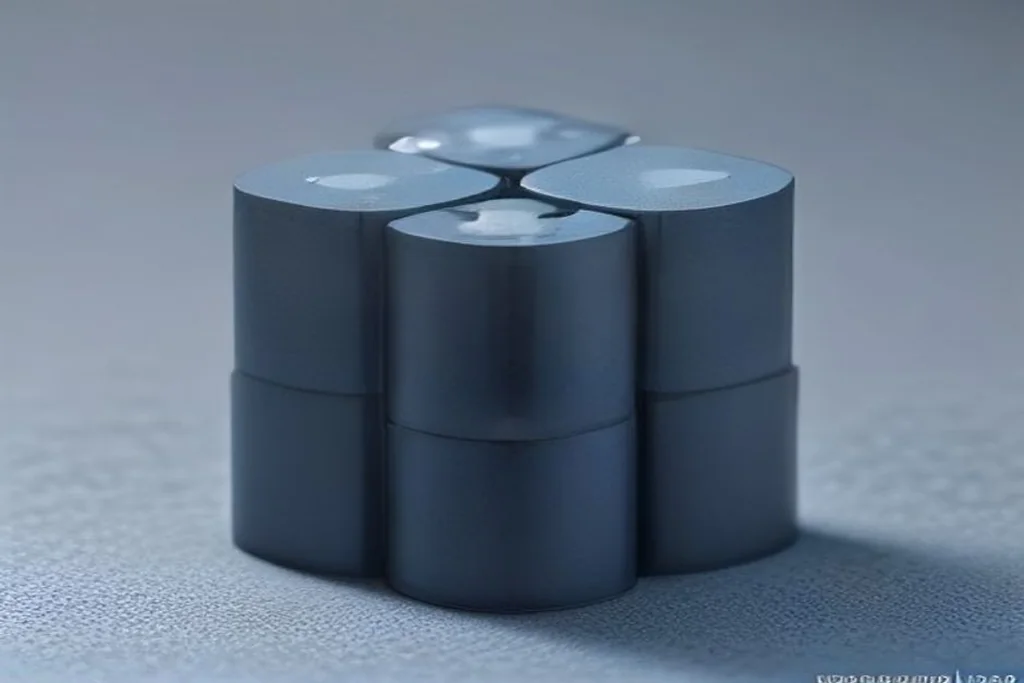
The global transition toward electrification is accelerating, and battery technology sits at the center of this transformation. From electric vehicles to smartphones and home energy storage, the lithium-ion cell has carried the load for three decades. Solid-state batteries promise to replace the liquid electrolyte with a solid one, and the first production lines are now moving beyond pilot scale.
The question for buyers is narrower than the headlines: what actually changes, when, and in which devices. This guide separates the physics from the roadmap, and it explains why charging behaviour, range and price will not all shift in the same year.

What a solid-state cell changes inside
A conventional lithium-ion cell moves ions through a liquid electrolyte soaked into a separator. The liquid is flammable, it degrades with heat, and it limits how much energy the cell can safely store. A solid-state cell replaces that liquid with a ceramic, glass or polymer conductor, which removes the main fire risk and allows denser packing.
The practical consequence is energy density. Laboratory solid-state cells have demonstrated gravimetric densities clearly above the 250–300 Wh/kg band of today’s best automotive lithium-ion. Packaged into a car, that converts directly into range or into a smaller, lighter pack for the same range. Toyota, Samsung SDI, CATL and several US startups have all shown working cells, though at very different maturity levels.
Heat behaviour improves too. Liquid electrolytes age fastest above 45 °C, which is why fast charging warms a pack and why hot climates shorten battery life. Solid conductors tolerate more heat, so the same cell can be charged harder for longer without the same degradation curve.
Why charging speed is the headline benefit
Fast charging today is limited by lithium plating: push ions into a cold or tired anode too quickly and metallic lithium deposits instead of intercalating, which damages the cell and creates dendrite risk. Solid electrolytes suppress dendrite formation better than liquid ones, which is the mechanism behind the 10-minute charge targets that manufacturers publish.
Automakers with announced solid-state programmes describe recharges from 10 to 80 percent in well under fifteen minutes. If that holds in customer cars, the charging stop becomes comparable to a fuel stop, and the planning burden of long trips largely disappears. This is the single change most likely to be felt by ordinary drivers first.
The manufacturing problem nobody skips
Solid-state cells are hard to build at scale. Ceramic electrolytes need high-temperature sintering, extreme dryness and stack pressures that today’s gigafactories do not apply. Interfaces between the solid electrolyte and the electrodes crack and delaminate under cycling, which is why cycle-life numbers in lab reports rarely match early production cells.
The industry answer is stepping stones. Semi-solid and gel-electrolyte cells already ship in some Chinese-market electric cars, using a small amount of liquid to keep interfaces wet while raising density. These hybrids are the realistic bridge technology for the next several years, and they matter because they reuse existing production lines.
What changes first, and where
Not every device gets solid-state at the same time. The adoption order follows value per gram: premium electric cars first, then aviation and medical devices, then consumer electronics, and finally stationary storage, which is the most price-sensitive market of all.
- Premium EVs (first half of the decade): announced programmes point at flagship models, where a costly pack can be absorbed into the price.
- eVTOL and drones: energy density is existential for electric flight, so this segment pays up early.
- Phones and laptops: small cells are easier to produce, but margins are thin; expect trickle-down after automotive volumes.
- Home storage: lithium iron phosphate remains cheaper per kilowatt-hour and will dominate walls and garages for years.
Price: the honest picture
Cost is where expectations need discipline. A new chemistry starts expensive because yields are low and the lines are bespoke. Automotive analysts consistently place early solid-state packs above today’s lithium-ion pack prices, with parity only after volumes climb and the dry-room processes mature. Any claim of immediate cheapness should be read as marketing.
For the buyer this produces a simple rule: current lithium-ion technology keeps improving on its own curve, with cell prices falling and density rising year over year. Waiting for solid-state to become affordable is usually waiting for the wrong signal, because by then today’s cells will have moved too. Check the current terms of any pre-order or reservation before committing money years ahead.
| Parameter | Lithium-ion today | Solid-state promise |
|---|---|---|
| Electrolyte | Liquid, flammable | Solid ceramic, glass or polymer |
| Gravimetric density | ~250–300 Wh/kg (best cells) | Above 350 Wh/kg demonstrated in labs |
| Fast charge | 10–80% in 20–30 min, plating-limited | 10–80% targets under 15 min |
| Heat tolerance | Degrades above 45 °C | Wider safe window |
| Maturity | Gigafactory scale | Pilot lines, semi-solid hybrids shipping |
How this connects to the gear you own
Even if your next car still runs lithium-ion, the charging ecosystem around it is changing. Bidirectional charging, smarter home energy management and higher-power public stations all assume better cells eventually. Our guides to wireless earbuds and battery tenders for diesel trucks sit at the two ends of that spectrum, from the smallest cells to the heaviest ones. The Electronics section tracks the rest.
Bottom line for the coming years
Solid-state batteries will change charging speed and safety first, range second and price last. The realistic timeline is hybrid cells now, premium electric cars near the middle of the decade, and broad consumer reach only after manufacturing yields mature. Treat launch claims as promises, watch what ships in volume, and check the current terms before reserving anything years in advance.