
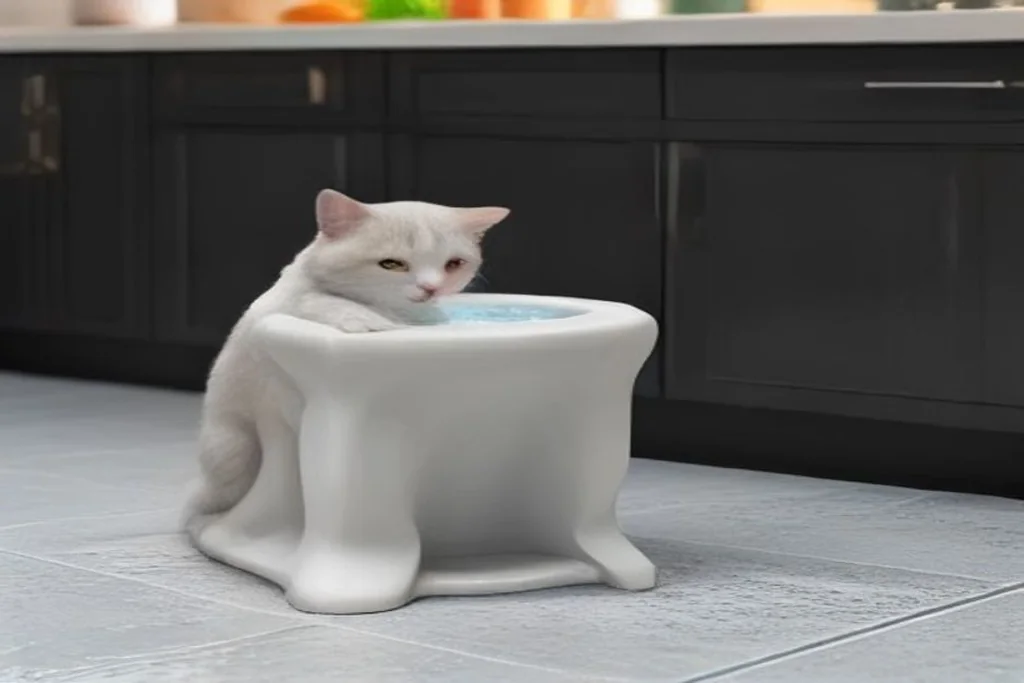
Cats descend from desert animals that got most of their water from prey, and a bowl of still water triggers none of their drinking instincts. That biology is the whole case for the cat water fountain: moving water is read as fresh water, and cats demonstrably drink more from it. More drinking matters because concentrated urine is behind a large share of feline urinary disease, the most common reason a young cat sees a vet. This guide covers how fountains work, which type to pick and the cleaning routine that keeps the water actually fresh.
Why moving water changes behaviour
A still bowl sits at room temperature, collects dust and hair, and tastes of whatever touched it. In the wild, standing water is a contamination risk, and the instinct survives in the domestic cat: many will lap from a running tap and ignore their full bowl. A fountain reproduces the moving-water signal continuously, and owners usually see the cat investigate within days, then drink more often.
The health mechanism is dilution. Higher water intake produces less concentrated urine, which lowers the risk of crystal formation and idiopathic cystitis, both painful and both common. Vets routinely recommend fountains for cats with urinary history, alongside diet changes, and the device is one of the few preventive purchases with a physiological rationale behind it.
The three fountain designs
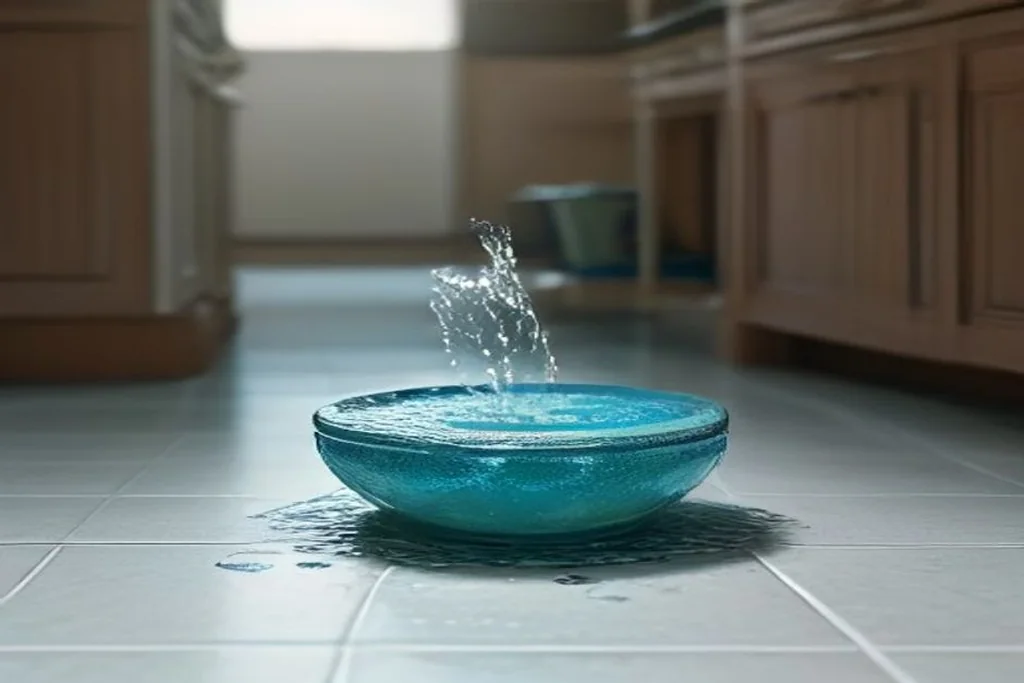
Fountains sort into three families by how they present the water. The stream type pushes a visible arc or trickle from a spout, which attracts cats that like running taps; the falling-water design lets a sheet cascade into the basin, audible and eye-catching; and the bubbling top type agitates the surface of a wide bowl, the quietest option and the closest to a normal dish. Cat preference is individual, and the sound level matters to humans sharing the room.
Capacity follows the household. A single cat needs a couple of litres to keep the pump submerged between refills; a multi-cat home wants a larger basin so the water turns over fast enough to stay fresh. All designs hide the same core: a reservoir, a low-voltage pump and a filter the water cycles through.
Filtration: what it does and what it does not
Fountain filters are mostly activated carbon with a foam pre-filter. The carbon removes taste and odour, which keeps the water appealing, and the foam traps hair and food particles before they reach the pump. Filtration does not sterilise: bacteria grow in any warm standing water, and the filter itself becomes a breeding ground once it is spent. This is why the filter schedule and the cleaning routine matter more than the filter brand.
Replacement filters are the fountain’s running cost, and models differ in how proprietary they are. Before buying, check what replacements cost and whether they are widely available, because a fountain whose filter is discontinued becomes a bowl with a pump. As with any subscription-like consumable, check the current terms and availability of refills in your region.
The cleaning routine that decides everything
A dirty fountain is worse than a plain bowl, because warm recirculating water spreads biofilm, the slippery bacterial layer that forms on plastics. The routine is short but non-negotiable: full disassembly and washing at least weekly, more often in summer or multi-cat homes, with the pump pulled apart and its impeller cleaned of hair.
- Weekly: disassemble, wash all parts in hot soapy water, rinse thoroughly, refill with fresh water.
- Pump care: open the pump housing monthly, remove hair from the impeller, check the cable for bite damage.
- Filter: replace on the maker’s schedule, typically every two to four weeks; a slimy filter is overdue.
- Water top-up: daily in hot weather, evaporation concentrates minerals and can uncover the pump.
- Material choice: ceramic and stainless steel resist biofilm and scratching better than plastic.
Choosing material and placement
Plastic fountains are cheap and light but scratch, and scratches harbour bacteria; some cats also react to plastics around the chin. Ceramic and stainless-steel models cost more, clean better and last longer, and they are the standard recommendation for cats with any skin sensitivity around the mouth. Whichever material, place the fountain away from the food bowl, because cats dislike water next to their meal, and away from litter areas for the same instinctive reason.
Noise decides whether the fountain stays plugged in. A pump that hums loudly when the level drops will be unplugged by humans within a month; look for adjustable flow and a low-water cutoff. Positioning on a mat protects floors from the splashing that enthusiastic drinkers produce.
Transitioning a suspicious cat
Many cats accept a fountain immediately; others treat it as an intruder for a week. The transition that works is patience plus familiarity: run the fountain beside the old bowl, not replacing it, so the cat keeps its known source while investigating the new one. Do not force interaction, keep it topped and clean, and most cats switch on their own once the novelty of moving water beats the caution.
| Factor | Best choice | Why |
|---|---|---|
| Design | Stream or bubble, per cat preference | Moving-water signal drives drinking |
| Material | Ceramic or stainless steel | Resists biofilm and scratching |
| Capacity | 2+ litres, larger for multi-cat | Fresh turnover, pump stays submerged |
| Filter cost | Widely available refills | Consumable decides the running cost |
| Noise | Adjustable flow, low-water cutoff | A loud pump gets unplugged |
Where fountains fit in pet care
Hydration is the calm, preventive end of the pet-technology curve this magazine follows: no app, no subscription, just better water and a weekly wash. The instrumented end sits in the FrontierX smart collar guide and the GPS tracker comparison, and the whole category collects in Pet Products. A fountain earns its keep the boring way: fewer vet visits for urinary trouble over the years.
Bottom line
Buy a ceramic or stainless fountain with a design your cat will actually drink from, budget for replacement filters, and commit to the weekly disassembly and pump clean that keeps moving water genuinely fresh. The biology does the rest: a cat that drinks more produces less concentrated urine, and that single habit is worth more than any premium feature on the box.